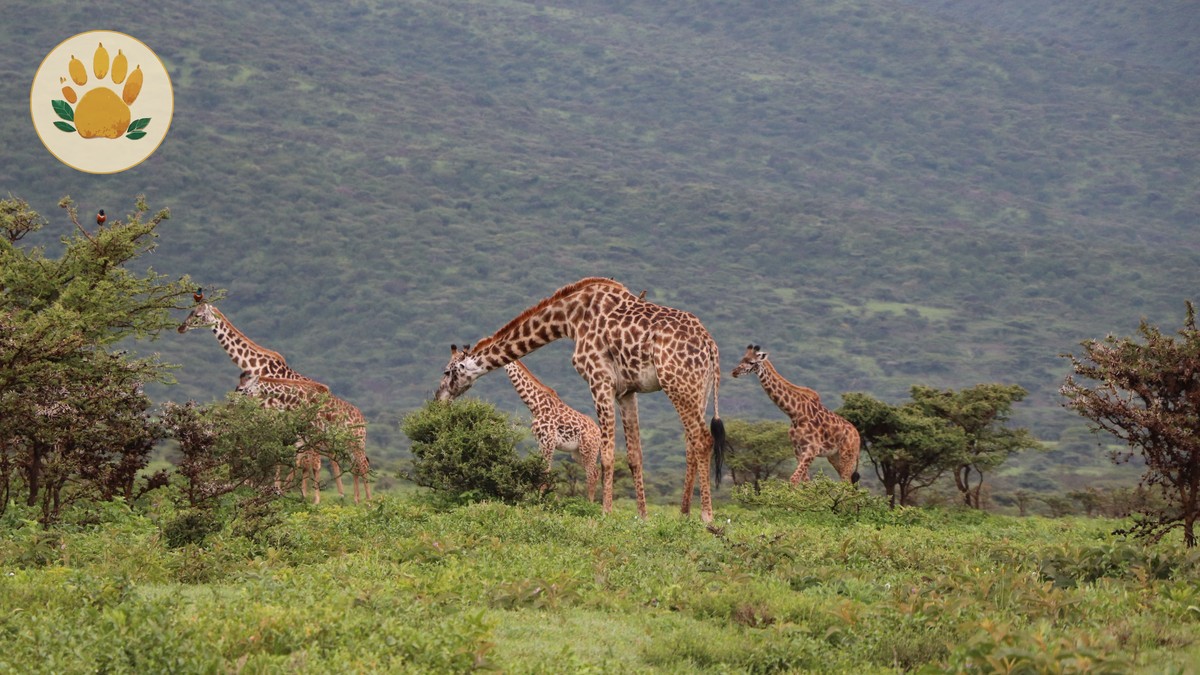
You have seen the Mara wildebeest crossings. You have watched elephants at Amboseli with Kilimanjaro behind them. This Chyulu Hills safari guide is for what comes next, if you want something quieter. Go for the landscape and the pace, not for a guaranteed Big Five sighting.
Chyulu Hills safari guide basics: location and the “Green Hills of Africa” name
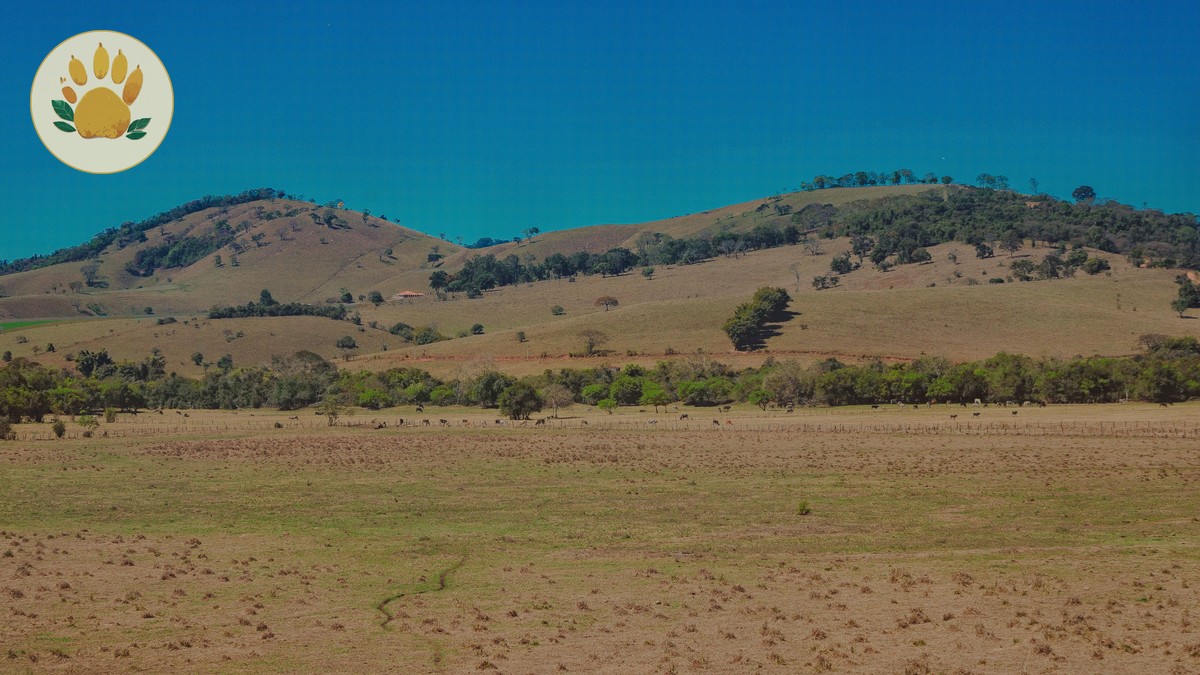
The Chyulu Hills run in a long volcanic chain between Amboseli National Park and Tsavo West National Park, in southeastern Kenya. The range stretches roughly 100 km. Its grass-covered cones are geologically young, some formed within the last few hundred years.
Ernest Hemingway hunted in this part of Kenya in the 1930s. The hills are widely credited as part of the inspiration for his 1935 book “Green Hills of Africa.” The rolling green slopes, often wrapped in cloud, still fit that description on any clear morning.
Chyulu Hills National Park itself is small, about 741 square km. It was gazetted in 1983 and is managed by the Kenya Wildlife Service (KWS). Much of the surrounding land is community-owned group ranches, including Mbirikani and Kuku. That is where most visitors actually stay.
Best time to visit: dry season vs rains
The dry months run from late June to October, and again in January and February. These months give the clearest views of both the hills and Kilimanjaro to the south. Trails are firmer, and game concentrates near permanent water.
The long rains fall from March to May, and short rains arrive in November. Grass grows fast and thick during these months. This can make wildlife harder to spot, but it turns the hills a deeper green. Birders often prefer this window, since migrants pass through and resident species are breeding.
For a repeat visitor chasing quiet trails over crowds, shoulder months like June and November offer good value. Rates at both Ol Donyo Lodge and Campi ya Kanzi drop outside the July to October peak.
Wildlife you can, and can’t, expect to see
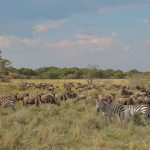
Here is the trade-off other guides tend to skip. Wildlife density in the Chyulu Hills is genuinely lower than in Amboseli or the Mara. The volcanic soil is porous, so surface water is scarce. Animals spread out over a large, rugged area.
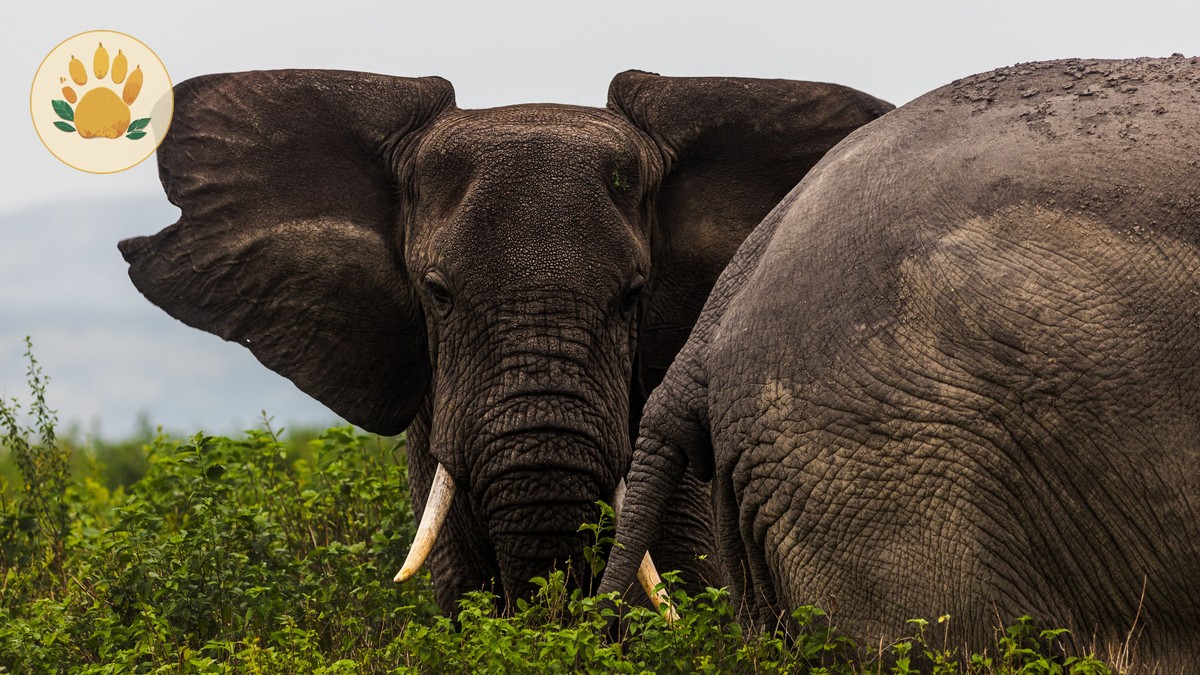
You can expect elephants, buffalo, eland, and giant forest hog. Over a multi-night stay you have reasonable odds of spotting lion, cheetah, and leopard, especially on the Mbirikani and Kuku conservancies bordering the park. Ol Donyo Lodge has built a strong track record with cheetah sightings in particular.
What you should not expect is Amboseli-style density, with dozens of elephants crossing a single swamp, or Mara-style predator traffic. If ticking off the Big Five in two days is the goal, pair Chyulu Hills with an Amboseli safari rather than relying on Chyulu alone.
Top activities
The activity list here is broader than a standard game-drive park, largely because private conservancies allow off-road access and walking that core national parks restrict.
- Caving at Leviathan Cave. This lava tube, formed by the Shetani flow, is one of the longest of its kind in the world, with over 11 km mapped. Guided tours from Campi ya Kanzi take visitors through sections with bat colonies and cave-adapted insects. A hard hat and decent fitness are required.
- Horseback riding. Ol Donyo Lodge runs rides across open plains for both beginners and experienced riders, with Kilimanjaro as a backdrop on clear days.
- Hiking and mountain biking. Guided walks and bike routes cross the lower slopes, something you cannot do inside most fenced national parks.
- Game drives, day and night. Both lodges offer night drives on their conservancy land, which is not permitted inside most core KWS parks.
- Birding. Over 400 species have been recorded in the wider ecosystem, including the localized Hunter’s cisticola.
Where to stay: Ol Donyo Lodge, Campi ya Kanzi, and outer-park options
There are really only two well-known lodges here. Both sit on private conservancy land rather than inside the national park boundary.
Ol Donyo Lodge, run by Great Plains Conservation, sits on the 275,000-acre Mbirikani Group Ranch. Rooms have private plunge pools and star beds for sleeping outdoors. Rates run roughly USD 950 to 1,400 per person per night, all-inclusive, depending on season. This is an indicative range, so confirm current rates directly.
Campi ya Kanzi, on the Kuku Group Ranch, is an eco-lodge founded by Luca Belpietro. It has strong ties to the local Maasai community through the Maasai Wilderness Conservation Trust. Rates fall roughly between USD 650 and 950 per person per night, all-inclusive. This is also an indicative range, subject to season and current pricing.
Beyond these two, outer-park options include lodges and camps around Kimana and the Amboseli ecosystem. These are useful if you want to base near Chyulu Hills without the higher price tag of the two flagship properties.
Getting there: road route vs flying into Chyulu airstrips
By road, the drive from Nairobi is about 230 to 260 km, depending on the exact lodge. The route runs via the Mombasa Highway to Emali, then the Kimana or Mbirikani track. Expect 4 to 5 hours including the final stretch of unpaved road, longer after heavy rain.
By air, scheduled and charter flights leave Nairobi’s Wilson Airport for airstrips serving the lodges, such as the Ol Donyo airstrip or Kimana airstrip. Flight time is roughly 45 minutes to just over an hour, depending on routing and stops.
For a repeat visitor with limited days, flying in saves close to half a day each way. That matters if Chyulu Hills is one stop in a wider circuit.
Entry fees and park costs in 2026
KWS entry fees for Chyulu Hills National Park generally track the mid-tier park bracket. Non-resident adult rates run USD 40 per 24 hours under the October 2025 KWS fee update, and about half that for children. These figures are indicative, since KWS periodically revises its fee schedule, so confirm current rates before booking. For the full current fee schedule across Kenya’s parks, see our guide to 2026 Kenya national park entry fees.
One detail that matters for planning: most visitors staying at Ol Donyo Lodge or Campi ya Kanzi are on group ranch land, not inside the KWS-gazetted park boundary. Those stays are typically covered by a conservancy or community fee built into the lodge rate, rather than a separate KWS gate fee. If your itinerary includes a dedicated excursion into the national park itself, budget for the KWS fee on top of your lodge rate.
Combining Chyulu Hills with Amboseli, Tsavo, or a wider itinerary
Chyulu Hills works best as one leg of a longer trip rather than a standalone destination. Its neighbors are close enough to combine without long transfer days.
Amboseli National Park sits about 40 km northwest, easily reached by road or a short flight. It gives you the elephant density and Kilimanjaro views that Chyulu Hills lacks. Tsavo West National Park borders Chyulu Hills to the southeast, with the Chyulu Gate providing direct road access between the two. That is useful if you want lava fields, Mzima Springs, and denser game viewing on the same trip.
A workable pattern for a repeat visitor: spend two or three nights in Amboseli or Tsavo West for volume game viewing. Then add two nights at Ol Donyo Lodge or Campi ya Kanzi for the caving, riding, and quiet hillside pace. If you have more time, our guide to another underrated Kenyan park worth the detour covers Meru, a similarly overlooked option further north.
Chyulu Hills vs Amboseli vs Tsavo West
| Chyulu Hills | Amboseli | Tsavo West | |
|---|---|---|---|
| Distance from Nairobi | ~230-260 km | ~240 km | ~240 km |
| Typical drive time | 4-5 hours | 4 hours | 4-5 hours |
| Non-resident entry fee (indicative) | USD 40/day | USD 90/day | USD 80/day |
| Wildlife density | Low to moderate | High | Moderate to high |
| Standout feature | Caving, riding, quiet hillsides | Elephant herds, Kilimanjaro views | Mzima Springs, lava fields |
| Lodge options | Two main properties | Dozens | Dozens |
The SafariPure Difference
Most write-ups on Chyulu Hills repeat the same Hemingway line and the same cave statistic. They rarely tell you what a night actually costs or how thin the wildlife really is compared to its neighbors. We would rather tell you plainly that this is a landscape and activity destination first, and a Big Five destination second. Then you can decide if that trade suits your trip.
We also plan around the practical seams other guides skip. That includes which stays sit inside the KWS park boundary and which sit on community land, how to time a Chyulu add-on around your Amboseli or Tsavo days, and which of the two lodges fits your budget and interests. Whether that is Ol Donyo’s riding and star beds or Campi ya Kanzi’s cave tours and community conservation model, we can help you choose.
Plan your Chyulu Hills trip
If the quiet hills, the lava caves, and the chance to ride out toward Kilimanjaro sound like the right next stop after your last safari, we can help. Visit our Kenya safari tours page or get in touch through our contact page to start planning.